
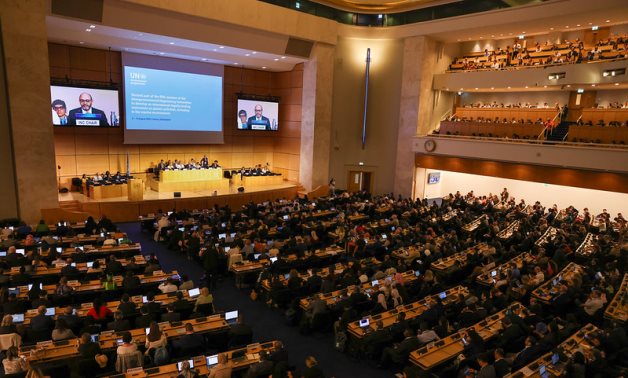
CAIRO – 17 August 2025: The second part of the 5th session of the Intergovernmental Negotiating Committee (INC-5.2) held in Geneva concluded without producing a final, legally binding global treaty to address plastic pollution.
Ahmed Fathy, Executive Director of Youth Loves Egypt (YLE) Foundation and the organization’s representative in Geneva, described the failure of the Geneva talks as “a painful blow in the battle against plastic pollution—but not the end.”
He stated that the YLE will continue to advocate and push relentlessly until the world reaches the necessary consensus to protect the planet and the future of generations to come.
The INC-5.2 negotiations offered critical insights into the complexities of the issue and the road ahead. The core aim of the talks was to finalize a comprehensive agreement addressing the full life cycle of plastic.
However, due to significant disagreements—particularly over proposals to cap the production of new plastics—no consensus was reached and talks were extended to an unspecified future date.
One of the most contentious issues centered around whether the treaty should enforce limits on plastic production or focus primarily on waste management, reuse, and improved product design.
This divergence underscored the differing priorities of countries and stakeholders involved.
The YLE engaged actively in this round of negotiations held in from August 5 to 15. It, however, expressed deep disappointment at the failure to reach a binding international agreement.
Fathy noted that the delegation spent over 24 consecutive hours on the final day attending regional meetings, sessions with heads of delegations, and press briefings. Yet, despite days of intense work, the talks collapsed without a resolution.
Fathy stressed that this second failure—following the breakdown of talks in Busan, South Korea, in December 2024—proves the challenge is far more than technical and that it requires genuine political will that rises above narrow interests.
He further highlighted deep divisions among negotiating blocs over key issues such as limits on primary plastic production, the regulation of hazardous chemicals, and the establishment of fair financing mechanisms for developing nations. These unresolved matters were central barriers to progress.
In addition, widespread criticism was raised over the management and structure of the negotiation sessions, prompting serious questions about the future direction of the talks—whether they will continue under the framework of INC-5.3 or shift to a new format altogether.
Fathy emphasized that the responsibility now lies with the international community to reassess its priorities. He underlined the importance of the next political decision, which will be pivotal in shaping the path forward.
Youth Loves Egypt calls on countries to explicitly commit to ensuring that any future text must be legally binding, with robust enforcement and monitoring mechanisms.
The foundation also stressed the need for inclusive participation of civil society and developing country representatives throughout all negotiation stages to guarantee fairness in outcomes.
Moreover, it called for a clear timeline leading to the adoption of a binding instrument as soon as possible and for insulating the process from industrial interests that obstruct meaningful progress.