
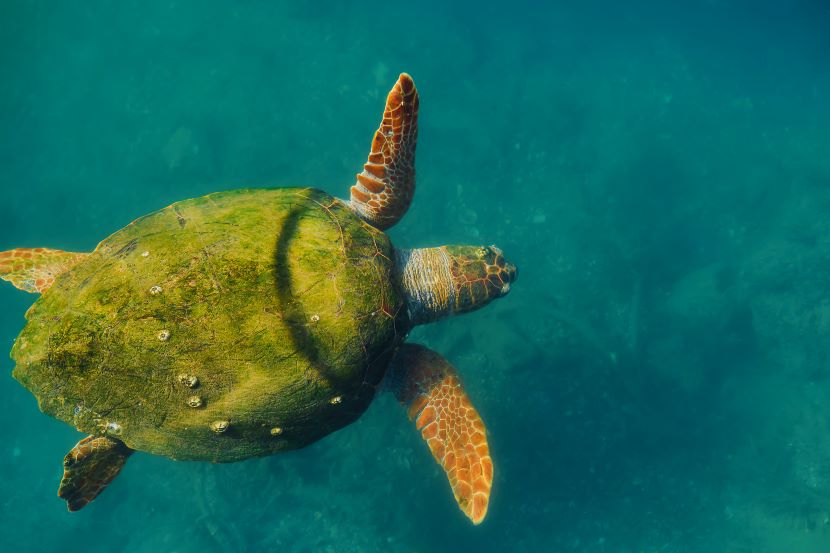
Wadi al Gemal National Park, nestled along Egypt’s Red Sea coastline, is home to one of the last undisturbed natural beaches in the region. This protected area has long been a haven for swimmers and marine life, including endangered green turtles that nest on its shores. However, recent developments threaten to disrupt the delicate balance between tourism and conservation in this pristine environment.
The Allure of Hankorab Beach
The allure of Hankorab Beach lies in its untouched beauty. It is not only an idyllic spot for tourists but also serves as a vital nesting ground for green turtles. Every year, during the nesting season, these turtles crawl ashore to lay their eggs under the serene glow of the Milky Way, far from the disturbances of modern life. The surrounding coral reefs are among the most resilient to climate change, making this area a rare treasure in the face of environmental challenges.
The beach has long remained a sanctuary, free from the blinding lights and noisy machinery that characterize other popular tourist destinations. However, this peaceful existence was shattered when, in March, construction machinery arrived at Hankorab, signaling the beginning of a resort development that would significantly alter the area’s natural landscape.
The Controversial Development
The construction plans were revealed after a contract between a mysterious investment company and an unnamed government entity came to light. The environmental ministry, which holds jurisdiction over the Wadi al Gemal National Park, promptly raised concerns. The development was halted, and the machinery was quietly removed from the site. However, the matter is far from resolved, as parliamentary requests for details have gone unanswered, leaving environmentalists and local residents in a state of uncertainty.
Environmental and Legal Concerns
Experts are deeply concerned about the potential consequences of such a large-scale development in a protected area. The ecosystem at Hankorab is extremely fragile, and the introduction of noise, lights, and heavy human activity could spell disaster for the local flora and fauna. The green turtles, which have long been the symbol of the beach’s natural heritage, could be driven away by the intrusion of development, further endangering their population.
One of the core issues lies in the legality of the agreement between the government and the investment company. Reports suggest that the contract was signed by a government entity other than the one responsible for managing the park. According to experts, this could render the deal invalid under Egyptian law. However, the absence of a formal response from government officials has left the matter in a legal limbo, adding to the uncertainty surrounding the park’s future.
Despite the construction being halted for the time being, there are no guarantees that the project won’t be revived in the future. The situation has left locals and conservationists concerned that the park’s protection status may be compromised for economic gain.
Tourism vs. Conservation: A Delicate Balance
As Egypt grapples with its worst economic crisis in decades, tourism is seen as a critical avenue for revenue generation. The government is increasingly turning to its 3,000-kilometer coastline as a major source of income, with massive resort developments being proposed along the Red Sea. A recent $35 billion deal with the United Arab Emirates to develop Ras al-Hekma on the Mediterranean coast has set a precedent for similar initiatives along the Red Sea.
The push to develop the Red Sea’s coastal areas has raised concerns among environmental groups, as they warn that such growth is often achieved at the expense of the environment. The United Nations Development Programme (UNDP) has previously warned that the expansion of tourism in Egypt is leading to the destruction of fragile ecosystems. Luxury resorts and gated compounds have already spread along hundreds of kilometers of coastline, displacing local communities and harming habitats that are vital to biodiversity.
The Future of Wadi al Gemal National Park
The fate of Wadi al Gemal National Park, particularly Hankorab Beach, now hangs in the balance. While the construction at Hankorab has been halted for now, the future remains uncertain. The local authorities have yet to provide clarity on the ongoing development plans. Meanwhile, the beach has already seen visible changes, including the construction of a new gate marked with the name “Ras Hankorab” in Latin letters. The cost of entry to the beach has been raised significantly, and new amenities, such as toilets and sun loungers, have been installed, signaling the beginning of commercialization at the site.
The introduction of these changes without an environmental impact assessment has sparked further concerns. It remains unclear whether the proposed resort will disrupt the park’s ecosystem, but many fear that the development could eventually lead to the destruction of one of Egypt’s last untouched Red Sea beaches.
Tourism and Economic Development in Egypt
Despite the ongoing legal and environmental uncertainties, the government remains determined to harness the potential of its coastal areas. Egypt is setting ambitious targets to double the number of visitors to the country by 2028. However, experts warn that such rapid development may not be sustainable in the long term, especially if it comes at the expense of environmental protection.
The Red Sea, where tourism is a major economic driver, faces a critical challenge: balancing growth with sustainability. While new investments in tourism infrastructure can help boost Egypt’s economy, they must be carefully managed to ensure that the country’s natural resources are not irreparably harmed in the process.
A Threat to Sustainability
Wadi al Gemal National Park stands at a crossroads. The ongoing battle between tourism development and environmental preservation in the region reflects the broader challenges facing Egypt’s tourism sector. With the park’s future uncertain, conservationists and residents alike continue to call for greater transparency and stricter enforcement of environmental regulations. The fate of Hankorab Beach will likely serve as a pivotal case in the ongoing debate over how Egypt’s natural treasures should be managed in the face of economic pressures.