
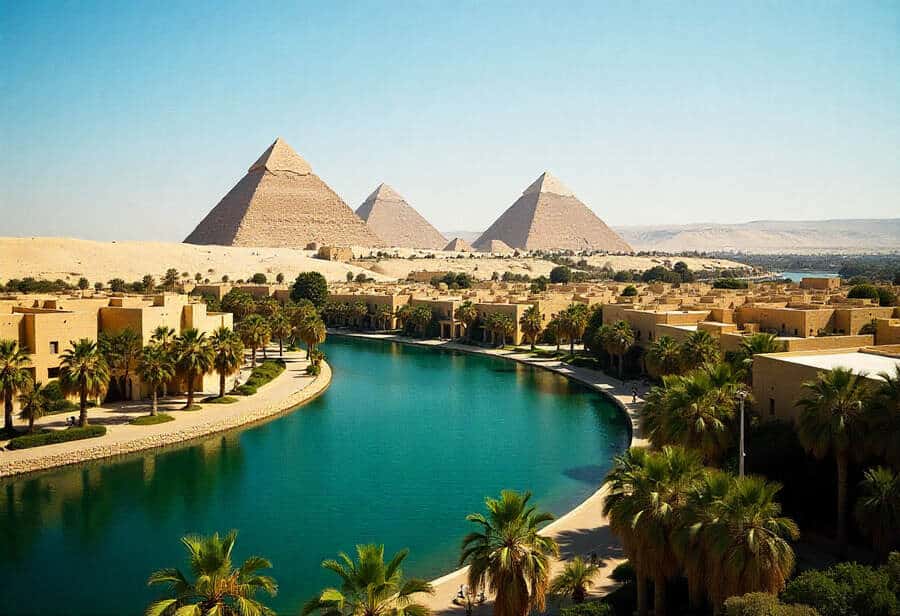
Egypt Unites With Qatar, Bahrain, Saudi Arabia, And UAE In Imposing Strict Policies And Rigorous Sustainability Standards To Protect Middle East Tourism And The Environment In 2026 due to the growing need to balance rapid tourism growth with environmental conservation. These countries are joining forces to introduce comprehensive regulations and sustainability measures aimed at ensuring the long-term health of the tourism sector while protecting the region’s unique landscapes and ecosystems. By implementing strict guidelines and policies, they are setting a new standard for responsible tourism, positioning the Middle East as a global leader in sustainable travel practices for the future.
As the tourism industry in the Middle East continues to thrive, nations within the region are increasingly focusing on sustainable development and environmental protection. In 2026, Egypt joined forces with Qatar, Bahrain, Saudi Arabia, and the UAE to introduce strict policies and regulations aimed at ensuring the long-term growth of the tourism sector while safeguarding the environment. These collaborative efforts represent a unified approach to shaping the future of Middle Eastern tourism, ensuring that it remains a major economic driver for years to come.
This overview dives deep into the regulations being implemented by these nations and explores how they are making a collective effort to protect the Middle East’s tourism sector and the environment.
The Importance of Sustainability in Middle East Tourism
Tourism has always played a crucial role in the economies of Middle Eastern countries. From the bustling streets of Dubai to the ancient monuments of Egypt, the region attracts millions of visitors every year. However, with increasing tourism comes the need for responsible development. Sustainability is now at the forefront of tourism policies, with countries across the Middle East adopting new regulations to minimize the impact of tourism on the environment, local communities, and cultural heritage sites.
In light of climate change, over-tourism, and environmental degradation, these countries are prioritizing sustainability to ensure that tourism continues to thrive without compromising the integrity of their landscapes, heritage, and ecosystems.
Egypt’s Strong Commitment to Sustainability
Egypt, a cornerstone of Middle Eastern tourism, has long been famous for its ancient history and the Nile River, which remains a major tourist attraction. The government is taking a proactive stance in ensuring the longevity of tourism by enforcing stringent regulations to improve both environmental sustainability and safety within the industry.